Published May 27, 2026
Oak tree removal in Greenville, SC runs $600–$2,500+ depending on species, height, and proximity to structures. Water oaks under 50 feet in accessible yards run $600–$1,000. Large white oaks or willow oaks over 70 feet near structures run $1,500–$2,500+. Inside Greenville city limits, any oak removal requires a permit — Martin Tree and Turf Care handles it and prepares an optional arborist report that can cut city mitigation fees.
Common Oak Species in Greenville — What Each Job Costs
Water oak (Quercus nigra): The most common problem oak in Upstate SC. Medium-sized (40–70 feet), fast-growing, relatively short-lived. Susceptible to Hypoxylon canker — internal decay is often advanced before crown symptoms appear. Water oak removal typically runs $600–$1,400. White oak (Quercus alba): The largest native oak — grows to 80–100+ feet with wide-spreading crowns and heavy sections. Removal near structures often requires crane. White oak removal typically runs $1,200–$2,500+. Willow oak (Quercus phellos): Common street tree in Greenville's established neighborhoods. Moderate size (50–70 feet), dense branching. Willow oak removal typically runs $800–$1,400. Pin oak (Quercus palustris): Common in Greenville subdivisions, planted as a landscape tree. Typically 40–60 feet. Removal runs $600–$1,000.
Greenville Oak Removal Permits
Inside Greenville city limits, the tree ordinance requires a permit to remove any oak on private property, regardless of size — and the permit is quick to obtain. An arborist report is not required, but a signed report documenting species, size, condition, and reason for removal can reduce or eliminate the city's mitigation fees when a seemingly healthy oak is actually failing. Martin Tree and Turf Care prepares this report and navigates the City of Greenville Development Services process regularly. Turnaround is typically 5–10 business days for straightforward applications.
When to Remove an Oak vs. When to Save It
Oaks are long-lived, ecologically valuable, and worth saving when possible. Removal is the right call when: the tree has advanced internal decay (verified by a full written risk assessment), the tree is dead or structurally compromised beyond cabling, the tree is in a location where failure would cause unacceptable damage risk, or construction requires removal. If the oak is healthy but in an inconvenient location, a certified arborist may be able to recommend structural pruning, cabling, or crown reduction as alternatives.
What our arborist sees on site
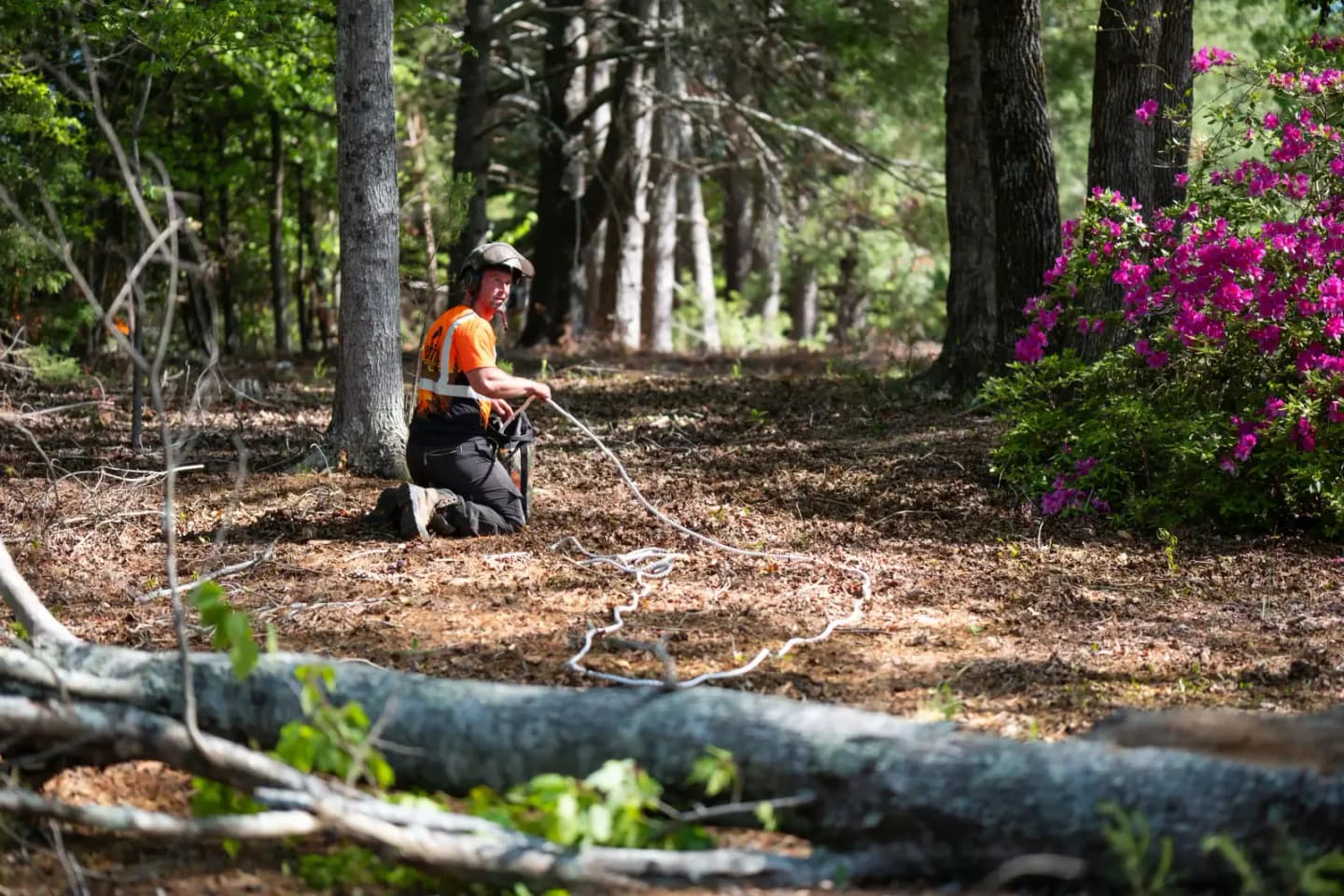
We assess every oak for salvageability before recommending removal. A healthy, structurally sound oak is worth keeping. An oak with advanced Hypoxylon canker or a failed root plate is a liability. That distinction requires an on-site assessment, not a phone call.
Ready for a free written estimate?
We visit your property, evaluate the work, and gives you a written price before anything starts. ISA Certified Arborist. No pressure.
Get Free Estimate