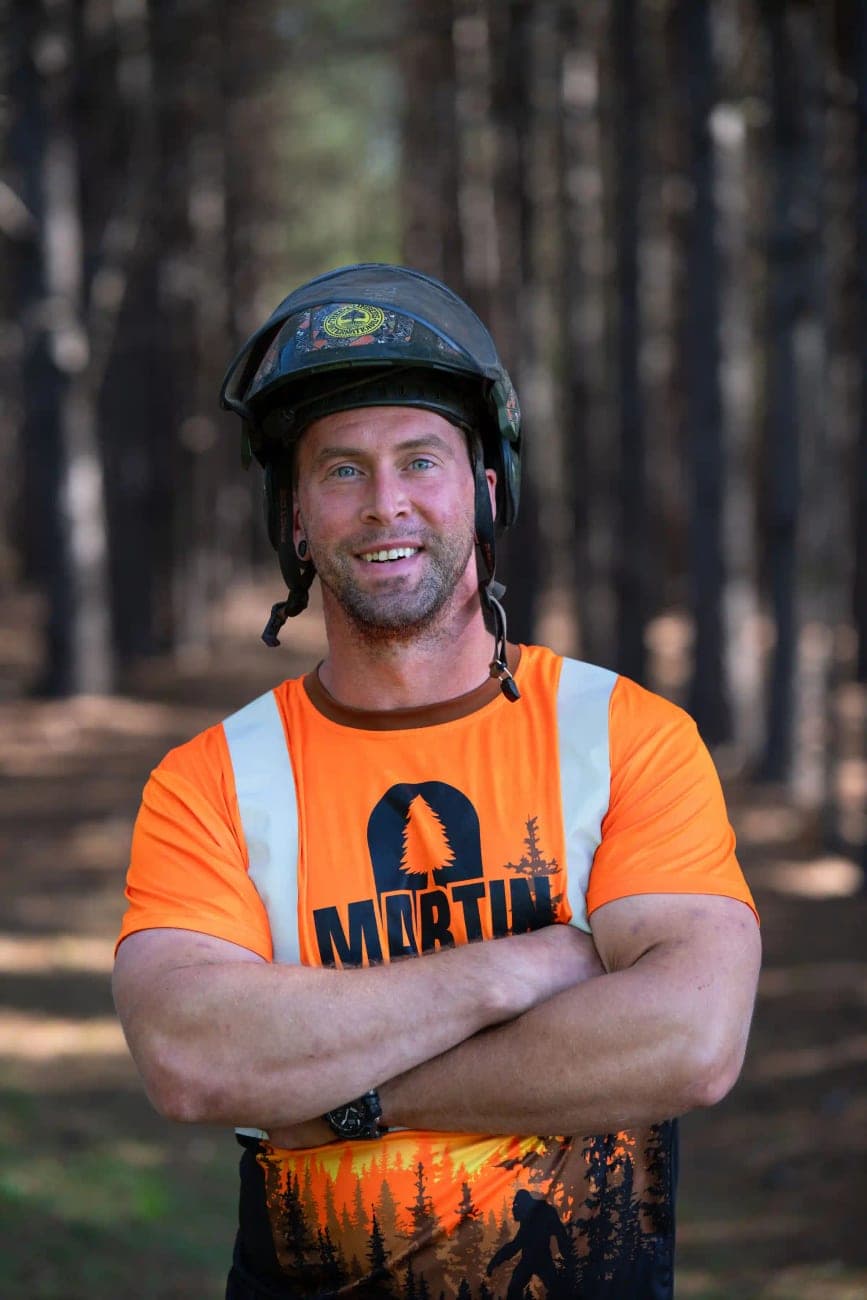
Martin Tree and Turf Care's ISA Certified Arborist (#SO-356834A) serves Spartanburg. Spartanburg County has separate tree ordinances from Greenville County, and the City of Spartanburg has its own rules within city limits. Section 505 of the City of Spartanburg Zoning Ordinance exempts single-family homes and duplexes outright, so most Spartanburg homeowners need no city paperwork at all. Commercial and multi-family property is covered, and many Spartanburg HOAs ask for an arborist report regardless of what the city requires. Converse Heights and Hampton Heights carry 80–100-year-old estate oaks. Whether any of them are protected inside City of Spartanburg limits is a question for City of Spartanburg Planning before removal or major pruning — we confirm before scheduling.
When Do You Need a Certified Arborist in Spartanburg, SC?
Inside City of Spartanburg limits, check with City of Spartanburg Planning before removal — city rules differ from the county's, and we confirm what applies to your address before any work begins. Spartanburg County planning requires arborist documentation for land clearing on developments along the Woodruff Road and I-85/I-585 commercial corridors. HOAs in Converse Heights, Hampton Heights, and Boiling Springs commonly require arborist approval before any tree work affecting common areas or visible canopy. Insurance carriers require a signed arborist report to process storm damage claims — adjusters in Spartanburg regularly request documentation from ISA-certified arborists before authorizing payment. Pre-sale tree assessments help sellers disclose tree condition accurately and give buyers documentation that reduces liability concerns during due diligence.
Tree Risk Assessments in Spartanburg — From Hampton Heights to Boiling Springs
Written tree risk assessments follow ISA standards. A written risk assessment report documents species, structural condition, targets within the failure zone, likelihood of failure, and recommended mitigation. Reports are typically turned around in 24–48 hours after the site visit. Spartanburg's 80–100-year estate oaks in Converse Heights and Hampton Heights warrant periodic assessment because internal decay — from fungi, bacterial wetwood, or old wound compartmentalization — is not visible from the ground. A tree can appear structurally sound while harboring a failing codominant stem or decayed root collar. Trees along the Lawson's Fork Creek corridor require assessment for stability near structures because riparian soils shift seasonally, and root anchoring can be compromised by bank erosion.
Spartanburg County Permits and Arborist Documentation
Spartanburg County and the City of Spartanburg operate under separate tree ordinances — jurisdiction depends on whether the property is inside or outside Spartanburg city limits. Our ISA Certified Arborist confirms which ordinance applies before preparing any report. His signed ISA arborist reports are prepared for submission to Spartanburg County Planning, the City of Spartanburg, insurance adjusters, and courts. The City of Spartanburg has no heritage-tree designation; Section 505 of its Zoning Ordinance turns on tree size and property type instead. Section 505.3 exempts any parcel used for a single family dwelling or duplex, so most Spartanburg homeowners need nothing from the city at all — we will tell you that rather than sell you a report. Commercial, institutional, industrial, business, and multi-family property is covered: on an existing site no healthy tree 12 inches DBH or larger may be removed without relief from the Building Official, and on new construction the threshold is 24 inches. Approved removals require replacement planting — one tree at 12 inches DBH, two at 24, three at 36 — except for trees the City determines are dead, diseased, or a public safety hazard, which carry no replacement requirement. Before development, no more than 20% of trees over 12 inches DBH may be cleared from a site in any three-year period, and removing a covered tree without relief draws fines under the Zoning Ordinance's misdemeanor provision plus mandatory replacement. Section 505.54 asks for written documentation from a landscape authority — the ordinance defines that as someone licensed, registered, or degreed in landscape architecture, landscape design, or horticulture. Where a covered property needs relief, the documentation must state species, DBH, condition, and the basis for the requested removal — Martin Tree and Turf Care includes all of it so applications are not returned for missing information. Section 505 has been amended repeatedly since 1994; confirm current requirements with City of Spartanburg Planning. For HOA submissions in Boiling Springs and other Spartanburg County communities, reports include photographic documentation and a clear recommendation statement that HOA boards can act on without requesting follow-up.
“You'll be nicely taken care of if you call James and the team at Martin Tree and Turf Care. They are authentic people doing great work. No slick sales, no pressure. Just a pragmatic assessment of your situation followed by sensible options to choose from. I highly recommend these guys; they'll do ya right.”
— Brian Knox, Upstate SC · Tree Service
Why Martin Tree and Turf Care?
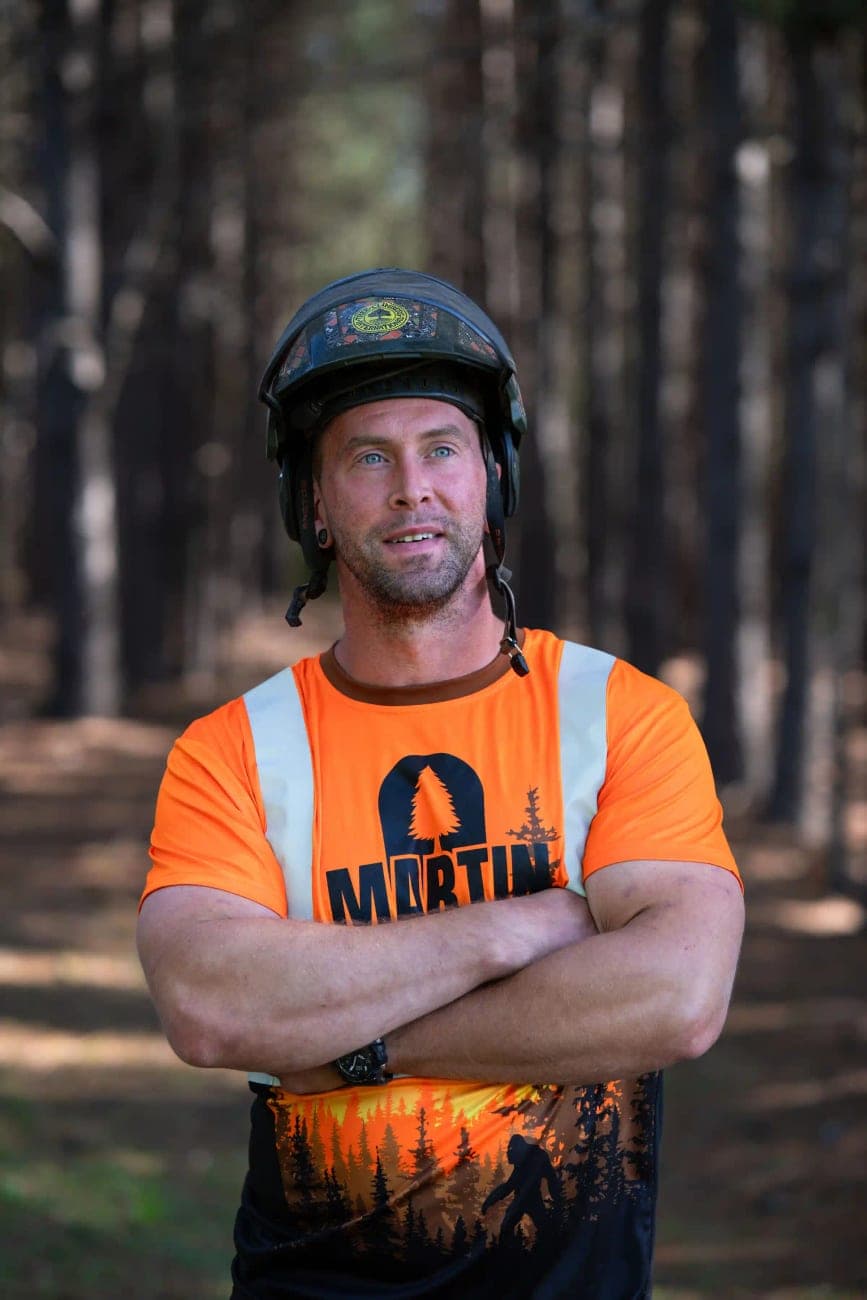
Your arborist consulting in Spartanburg is led by our ISA Certified Arborist from the first assessment to the final cleanup, with the price in writing before any work starts — and a crew that leaves your property clean.
- ISA Certified Arborist
- TCI Certified
- Licensed & Insured $1M/$2M
- OSHA-Compliant
- 24/7 Emergency Line
- Written Estimates
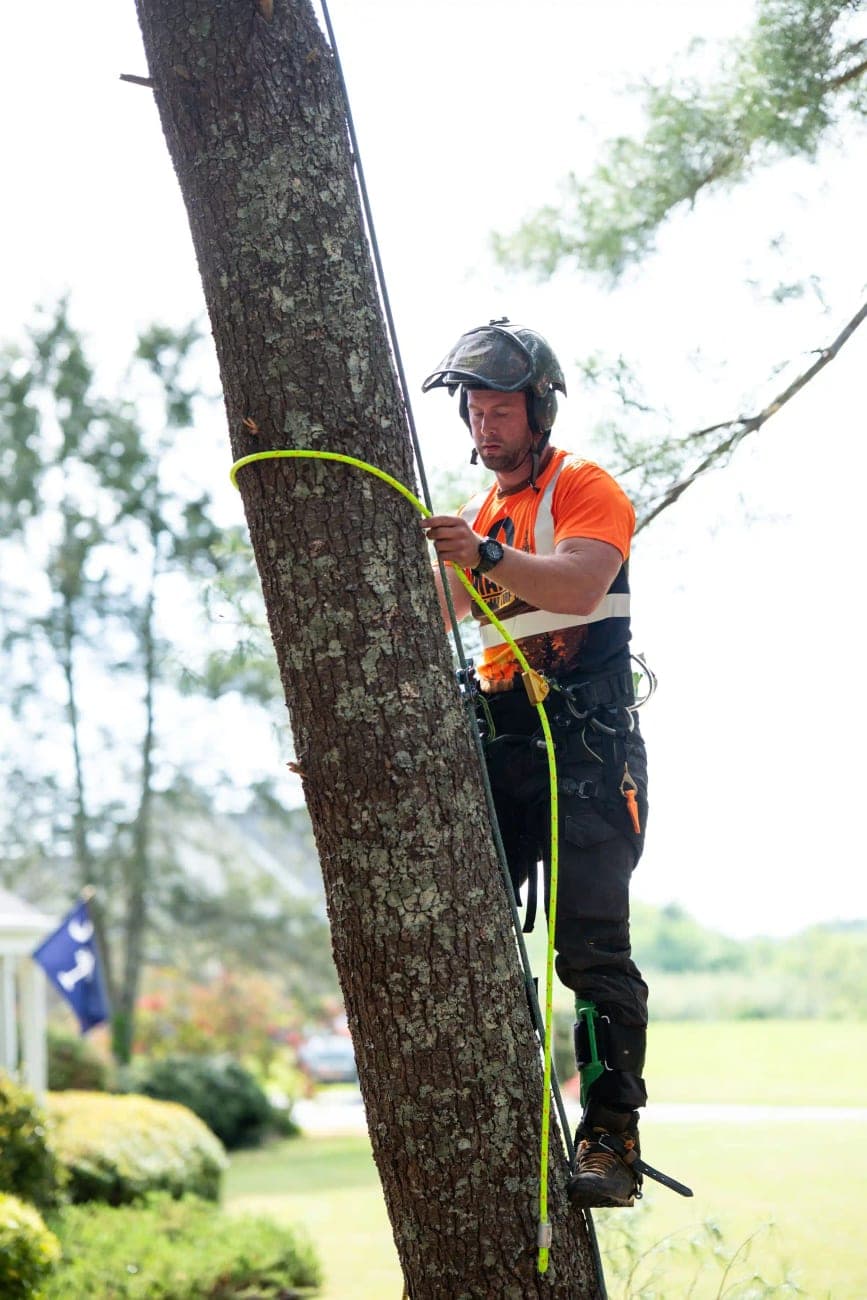
 James Martin, ISA Certified Arborist
Frequently Asked Questions
Know Your Exact Price Before Any Work Begins
The certified arborist evaluates your tree in person and puts the price in writing. That's the number you pay — no verbal quotes that change on arrival, no invoice surprises. No pressure. No obligation.
Get Free Estimate