Serving Upstate SC · Mon–Sat 7AM–6PMLicensed & Insured in SC
24/7 Emergency Service Available
Tree Disease Treatment in Upstate SCArborist Diagnosis and Treatment Plan.
A sick tree needs a diagnosis before it needs treatment. We identify what is wrong, tell you honestly whether treatment will work, and apply it correctly.
What Does Tree Disease Treatment Cost in Upstate SC?
Tree disease treatment in Upstate SC runs $150–$600+ depending on disease type, tree size, and treatment method. Crape Myrtle Bark Scale soil treatment runs $150–$300 per tree. Trunk injections for larger trees run $200–$500. The first step is always a site visit and diagnosis: treatment without a confirmed diagnosis wastes money. Our crew will tell you whether the tree is a good candidate for treatment and what realistic outcomes look like before any money changes hands.
✓Arborist diagnosis, not guesswork based on a photo
✓SC Pesticide Applicator License: required for prescription-strength treatments
✓Written treatment plan with expected outcomes before work begins
✓Honest assessment of whether treatment is worth the cost
Common Tree Diseases in Upstate SC and Which Are Treatable
Hypoxylon Canker (Water Oak)
Not treatable
Kills internal wood while bark remains intact. No surface indicator until a branch fails. Removal is the only safe outcome.
Crape Myrtle Bark Scale
Treatable
White waxy crust on bark. Systemic insecticide via soil drench or trunk injection is effective if applied correctly.
Fire Blight (Ornamental Pear)
Manageable
Bacterial disease; spreads during bloom via insects and pruning tools. Controlled with targeted pruning and tool sterilization.
Root Rot (Compacted Soils)
Partially treatable
Common in Upstate SC Piedmont clay. Improving root zone drainage and aeration reduces progression.
How Tree Disease Treatment Works
1
Site Visit and Diagnosis
Our arborist visits the property and assesses visible symptoms, canopy condition, bark, and root zone. Where the cause is unclear, bark samples or soil tests guide the diagnosis.
2
Written Treatment Plan
You receive a written document describing the diagnosis, treatment options, expected outcomes, and what to watch for. No work begins without your approval.
3
Treatment Application
Depending on the disease, treatment may include soil injection, trunk injection, topical application, or targeted pruning to remove infected tissue.
4
Follow-Up Assessment
Diseased trees require monitoring. We set a follow-up timeline and tell you exactly what improvement should look like and when to call if it does not appear.
Why Martin Tree and Turf Care?
Arborist-led from the first assessment to the final cleanup, with the price in writing before any work starts, and a crew that leaves your property clean.
“Did a great job with a tree removal right next to my house! They were quick and thorough job cleaning up afterwards!”
“This was my second experience with Martin Tree Care, and as before, the work was excellent, the scheduling was dead on time, and their shaping of a very lopsided tree made it look like a completely different tree. Great work.”
“James and his team did an exceptional job at taking care of the stumps in our back yard. They were on time, worked hard, and were professional the entire time. 5 stars isn’t high enough and I couldn’t recommend them more. Thank you Martin Tree and Turf Care!”
It depends on the disease, how far it has progressed, and the species. Crape Myrtle Bark Scale is treatable if caught before severe dieback: systemic insecticide applied to the soil or injected into the trunk knocks it back effectively. Fire blight in ornamental pears can be managed with pruning if caught early. Hypoxylon canker in Water Oaks cannot be treated: once internal wood is compromised, removal is the only option. We will tell you honestly what treatment can accomplish and when it is not worth the cost.
How do I know if my tree has a disease or just environmental stress?
Stress (drought, compaction, construction damage) produces diffuse symptoms (sparse canopy, small leaves, early color change) that appear gradually and affect the whole tree. Disease typically produces more localized symptoms: cankers on specific branches, discoloration in one section of the crown, or surface growth like scales or fungal bodies. The two often interact: stressed trees are more susceptible to disease. A site visit is the only reliable way to separate them.
What tree diseases are most common in Upstate SC?
Four diseases dominate our calls in Greenville and Spartanburg counties: Hypoxylon canker on Water Oaks (kills internal wood with no surface indicator), Crape Myrtle Bark Scale (white waxy crust on bark, established in Upstate SC), fire blight on ornamental and callery pear (bacterial; spreads via pruning cuts during bloom), and various root rot fungi in compacted, wet Piedmont clay soils. Emerald ash borer is advancing toward Upstate SC: SC Forest Service has confirmed its presence in adjacent counties.
Does treating a tree disease require an ISA-certified arborist?
It does not legally require one, but it practically does. Most disease treatments involve either prescription-strength pesticides that require a SC Pesticide Applicator License or structural decisions (how much infected tissue to remove) that require ISA pruning knowledge to execute correctly. Trunk injections in particular require proper dosing and technique, overdoing it damages the vascular tissue you are trying to protect. Our arborist is both ISA Certified and licensed for pesticide application in SC.
How much does tree disease treatment cost?
Disease treatment in Upstate SC typically runs $150–$600+ depending on disease type, tree size, and treatment method. A Crape Myrtle Bark Scale treatment with soil-applied systemic insecticide runs $150–$300 per tree. Trunk injections for larger trees run $200–$500 depending on the active ingredient and tree diameter. Follow-up monitoring visits are additional. Every treatment plan includes a written quote before work begins.
Can tree disease spread to other trees on my property?
Yes, several common Upstate SC diseases are contagious. Crape Myrtle Bark Scale spreads between crape myrtles via crawlers (immature insects) that move in wind and on tools. Fire blight spreads via insects and rain splash during bloom, and via unsterilized pruning tools cut to cut. Hypoxylon canker spreads via airborne spores but only infects already-stressed trees. The primary vector is underlying tree stress, not direct contact. We sterilize tools between cuts on any confirmed disease job.
Know Your Exact Price Before Any Work Begins
The certified arborist evaluates your tree in person and puts the price in writing. That's the number you pay: no verbal quotes that change on arrival, no invoice surprises. No pressure. No obligation.
“Came when expected and worked in the rain to take down a very large tree.”
Nancy Davis · Tree removal · Nov 2026 · Google reviewGet Free Estimate
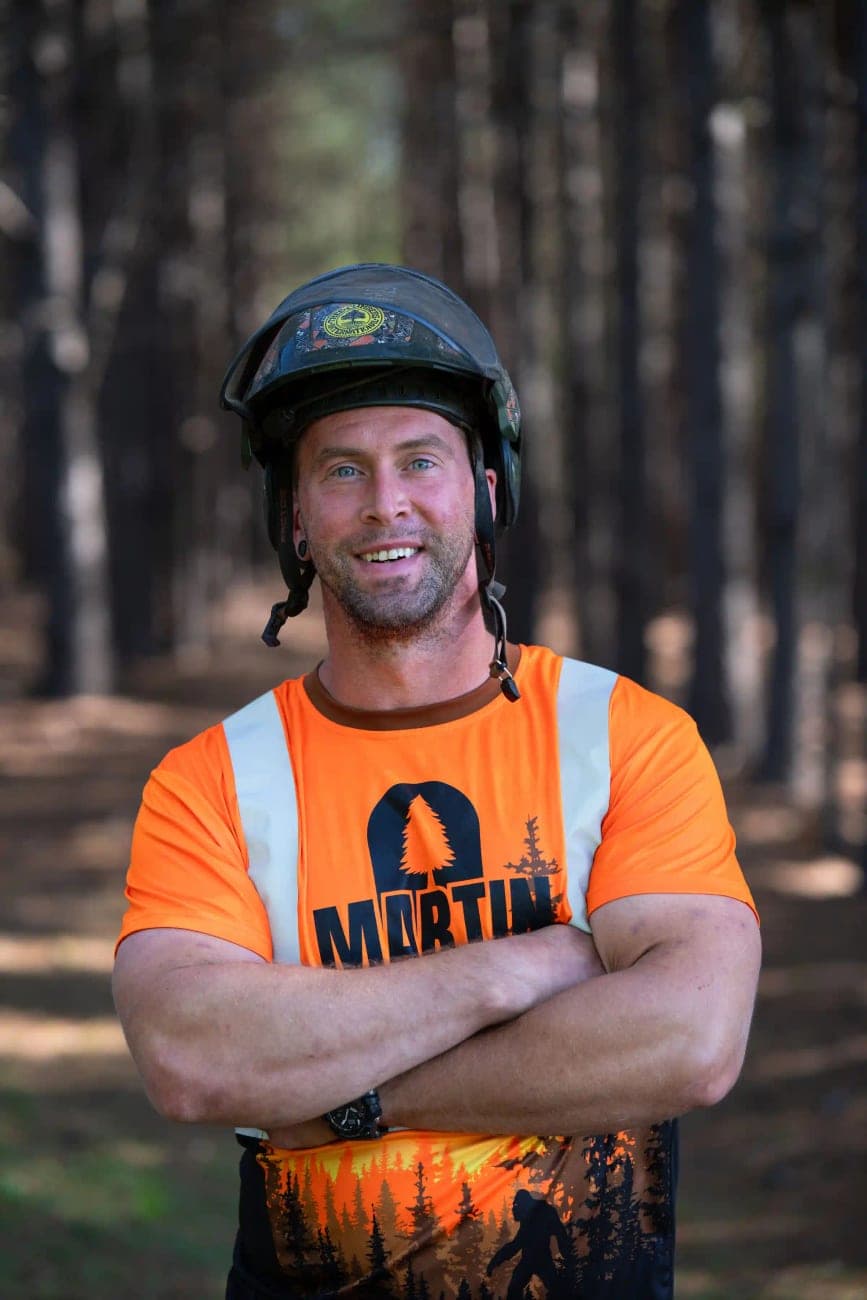
 James Martin, ISA Certified Arborist