Serving Upstate SC · Mon–Sat 7AM–6PMLicensed & Insured in SC
24/7 Emergency Service Available
Tree Planting and Installation in Upstate SCArborist-Led Species Selection. Proper Establishment.
The wrong species in the wrong spot creates the same problems you just paid to remove. Our ISA Certified Arborist selects the right tree for your site and plants it correctly the first time.
Tree planting in Upstate SC typically runs $200–$800 per tree including the tree, installation, and establishment consultation. Larger caliper trees (3-inch+ caliper balled and burlapped specimens) run higher. The cost includes a site assessment, species recommendation for your specific soil and site conditions, proper installation to ISA standards, and written establishment care instructions. We do not install trees that are wrong for the site: a cheaper tree planted incorrectly is the most expensive tree you can buy.
✓Species selection based on your specific soil, drainage, and site exposure
✓Proper planting depth: the most common planting mistake that kills trees within 5 years
✓Correct backfill technique for Upstate SC Piedmont clay soils
✓Written establishment care schedule: the first two summers matter most
Bradford Pear Replacement: Better Trees for Your Yard
South Carolina listed the Bradford Pear (Callery Pear) as a State Plant Pest, and banned its sale in October 2024, due to invasive spread and its documented structural failure pattern. The co-dominant union that holds the tree together splits predictably at 15–25 years, which is why Bradford Pear removal calls peak in spring storm season in Simpsonville, Mauldin, and Greenville.
SC native alternatives with similar spring flowering: Eastern Redbud, Serviceberry, and native Plum. All three are available at Upstate SC nurseries, grow well in Piedmont clay, have no invasive spread pattern, and do not have the structural failure problem that makes Bradford Pear a liability at 20 years.
Best Trees to Plant in Upstate SC by Site Type
Open yard, full sun, average clay soil
White Oak, Eastern Redbud, River Birch (wetter sites), American Elm (disease-resistant cultivars)
Near the house, limited space
Serviceberry, native Dogwood (partial shade), Dwarf Fothergilla: nothing that will exceed 25 feet
Replacing a Bradford Pear
Eastern Redbud, Serviceberry, native Plum: all provide spring color without the failure risk
Privacy screen or windbreak
Eastern Red Cedar, Loblolly Bay, American Holly: all evergreen, Upstate SC native
How Tree Planting Works
1
Site Assessment
We evaluate your soil type, drainage, sun exposure, overhead utilities, and proximity to structures before recommending any species.
2
Species Selection
You receive a written recommendation with 2–3 species options suited to your site, not just what the nursery had in stock.
3
Proper Installation
Tree planted at correct depth, backfilled with a soil-native mix, mulched correctly (not volcano mulching), and staked only if site conditions require it.
4
Establishment Care
You receive written care instructions for the establishment period. The first two summers are the highest-risk window for a newly planted tree.
Why Martin Tree and Turf Care?
Arborist-led from the first assessment to the final cleanup, with the price in writing before any work starts, and a crew that leaves your property clean.
“Martin Tree and Turf Care did an excellent job in removing a 70-foot-tall tree from my back yard using rigging and a bucket truck. They used sheets of metal to protect the lawn from holes when pine branches were released to fall on them. Any heavier tree part was slowly lowered by ropes. They also ground up a large stump. They took safety precautions and cleaned up after themselves. I was pleased and would use them again.”
“Martin Tree and Turf Care did a great job trimming the trees at the apartment community I manage. Their work was professional and thorough, and it noticeably improved the property's appearance. I highly recommend them for quality tree care services!”
“Second time using Martin and his team. Jerad handled the work both times and removed several bushes and pesky deep rooted stumps from around my house. Great group”
What is the best time of year to plant a tree in South Carolina?
Fall planting, September through November, is optimal for most species in Upstate SC. The tree goes into the ground before winter dormancy, establishes root growth through the mild SC winter, and enters its first summer with a stronger root system than a spring-planted tree. Spring planting works for most species but puts the tree into its first summer heat stress sooner. Avoid mid-summer planting for anything except container-grown plants with established root balls.
What trees grow best in Upstate SC?
Upstate SC is USDA Hardiness Zone 7b. Native species that perform best in Greenville and Spartanburg county soils: Eastern Redbud (Cercis canadensis), Serviceberry (Amelanchier arborea), River Birch (Betula nigra) in wetter sites, American Sweetbay Magnolia, and White Oak for long-term large-scale planting. Avoid Bradford Pear: SC listed it as a State Plant Pest, and banned its sale in October 2024, due to invasive spread and its structural failure pattern.
What should I replace my Bradford Pear with?
SC native alternatives that provide similar spring flowering: Eastern Redbud (Cercis canadensis), native, multi-season interest, excellent in Upstate SC clay soils. Serviceberry (Amelanchier arborea): white flowers in early spring, similar size to Bradford Pear, no structural problems. Native Plum (Prunus americana): early white flowers, wildlife value, SC native. All three are available at SC nurseries and perform well in Upstate SC conditions without the co-dominant union failure that Bradford Pear is known for.
How far from my house should I plant a new tree?
The rule of thumb is half the tree's mature spread from the foundation. A tree with a 40-foot mature spread should be planted at least 20 feet from the house. For large trees (oaks, poplars) that reach 60–80 feet spread, 30–40 feet minimum is reasonable. Utilities overhead: plant nothing that will reach conductor height within 15 feet of a utility line. We will walk your site and tell you where trees can go without creating future problems.
How long does it take for a new tree to establish?
The standard is one year of establishment per inch of trunk caliper at planting. A 2-inch caliper tree takes approximately 2 years to fully establish. During that period, consistent watering during dry spells is the single most important factor, especially through the first two summers. Deep, infrequent watering is better than frequent shallow watering. Once established, a correctly sited tree needs no supplemental water in normal Upstate SC conditions.
Know Your Exact Price Before Any Work Begins
The certified arborist evaluates your tree in person and puts the price in writing. That's the number you pay: no verbal quotes that change on arrival, no invoice surprises. No pressure. No obligation.
“Communication was top notch and they are reasonably priced.”
Kristina Ross · Tree service · Aug 2026 · Google reviewGet Free Estimate

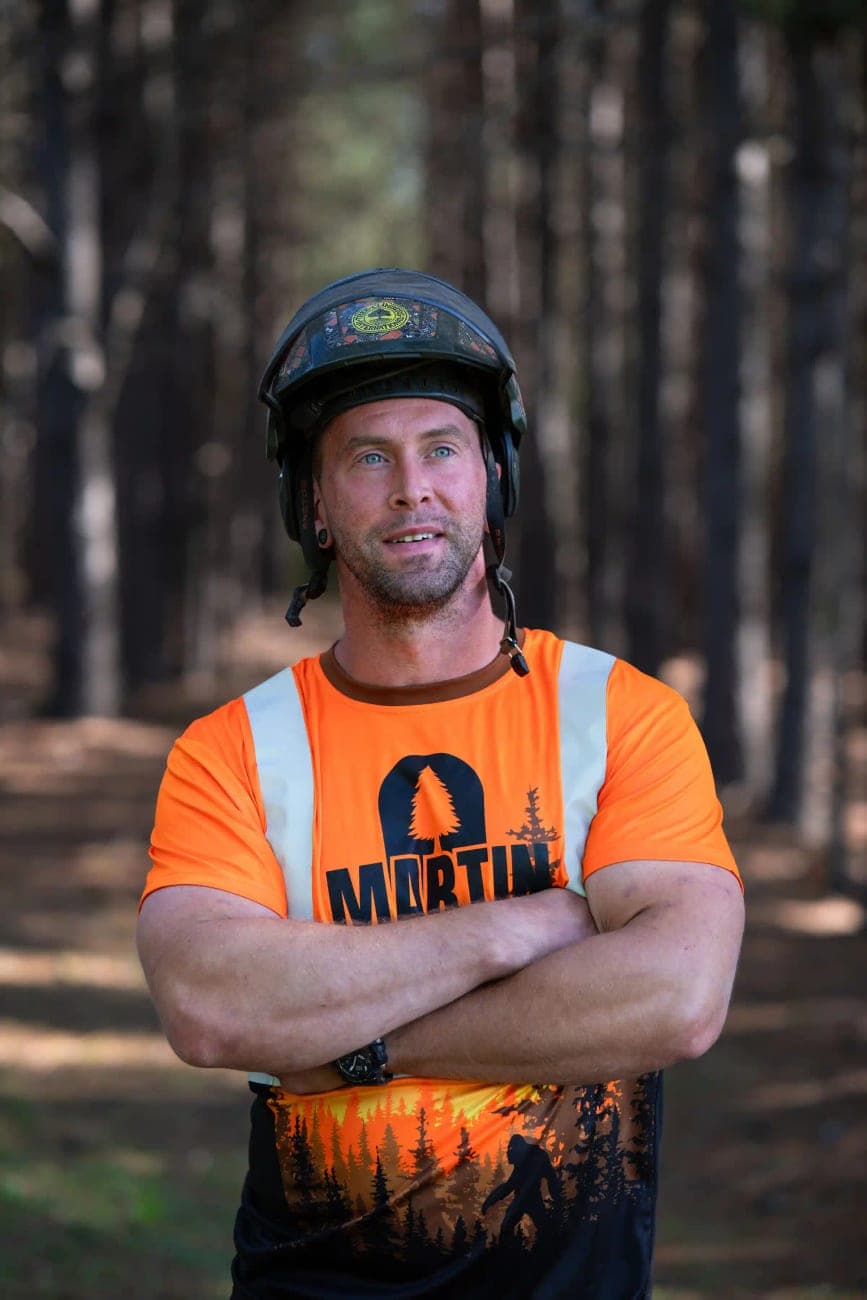
 James Martin, ISA Certified Arborist