What Does Tree Preservation During Construction Cost?
Tree preservation plans for residential additions typically run $300–$800, including the site visit, written plan, and fencing installation. More complex projects (multiple trees, developer-required ISA reports for permit compliance, or large commercial sites) run $500–$1,500+. Monitoring visits during construction are additional. Greer and Simpsonville are in active development: if you are building or adjacent to a project, the cost of preservation is a fraction of replacing a 40-year-old mature tree.
✓ISA-certified arborist report: required for Greenville UDO permit compliance
✓Written Critical Root Zone plan for every protected tree
✓Physical fencing installation, not orange ribbon, actual barriers
✓Post-construction monitoring and soil recovery treatment
Why Construction Kills Trees: Usually Within 3 Years, Not Immediately
Upstate SC Piedmont clay soil compacts permanently under equipment: even a single pass from a skid steer destroys the pore structure that roots depend on for oxygen and water. The tree does not show symptoms immediately. Canopy decline typically appears 2–4 years after construction, when the root zone has progressively failed. Tulip Poplars and White Oaks in Greenville residential lots are the most common victims of addition and renovation work.
Greer and Simpsonville are in the most active development corridors in Upstate SC. If you are planning an addition or your neighbors are building, tree protection is not optional. It is the difference between the oak that was there before construction and the stump that needs grinding afterward.
Greenville UDO Requirements for Tree Protection During Development
The City of Greenville Unified Development Ordinance requires tree protection zones for significant trees affected by permitted construction. An ISA-certified arborist report is part of the standard permit package for projects affecting protected trees. We provide the written documentation in the format the City of Greenville requires.
Unincorporated Greenville County has different requirements, as does Greer (which straddles Greenville and Spartanburg counties). Contact us with your permit address and we will tell you exactly what applies before the permit review date.
How Tree Preservation During Construction Works
1
Pre-Construction Assessment
Our crew visits the site, identifies trees to protect, measures Critical Root Zones, and evaluates species-specific risk before any plans are finalized.
2
Written Protection Plan
You receive a written tree protection plan specifying fencing locations, equipment exclusion zones, and site sequencing. Required for Greenville UDO permit compliance.
3
Fencing and Signage
We install and mark tree protection fencing at the Critical Root Zone perimeter before any equipment moves on site. Not orange plastic ribbon, actual barriers.
4
Monitoring and Post-Construction
We monitor trees during construction and assess for damage after completion. Post-construction soil treatment and aeration can recover some compaction damage.
Why Martin Tree and Turf Care?
Arborist-led from the first assessment to the final cleanup, with the price in writing before any work starts, and a crew that leaves your property clean.
Greenville, Greer, and Simpsonville are in the most active development corridors in Upstate SC. We provide arborist-prepared tree protection for construction projects throughout the region.
“Did a great job with a tree removal right next to my house! They were quick and thorough job cleaning up afterwards!”
“This was my second experience with Martin Tree Care, and as before, the work was excellent, the scheduling was dead on time, and their shaping of a very lopsided tree made it look like a completely different tree. Great work.”
“James and his crew are very hard working,dependable, on time stand up kind of guys. Don't hesitate to hire them for what ever tree or stump grinding jobs you have, good job every time.”
Do I need a tree protection plan for a home addition in Greenville?
For permitted construction within the City of Greenville, the UDO (Unified Development Ordinance) requires tree protection zones for significant trees affected by the project. An ISA-certified arborist report is typically required as part of the permit package. Unincorporated Greenville County does not have the same requirement, but many HOAs in newer Greenville County developments have their own tree protection language. We can tell you what applies at your address.
How far from a tree should construction activity stop?
The standard is the Critical Root Zone (CRZ): a radius in feet equal to one foot per inch of trunk diameter. A 20-inch diameter tree has a 20-foot CRZ. Inside the CRZ, no equipment, no soil disturbance, no material storage, and no trenching without a plan. In practice, construction crews consistently violate this without knowing what it is. The protection fencing makes it physical, not just advisory.
Can a tree survive having its roots cut during construction?
It depends on how much of the root system is cut, the species, and what other stresses the tree is under. Trees can survive losing up to 30–40% of fine roots if the remaining root zone is protected and post-construction care is provided. Cutting through major structural roots typically destabilizes the tree over 2–5 years. The critical point: construction damage kills trees slowly. The tree may look fine for 2–3 years before it shows symptoms, by then, the construction crew is long gone.
What is a Critical Root Zone and why does it matter?
The Critical Root Zone (CRZ) is the area under and around a tree that contains the feeder roots responsible for water and nutrient uptake. Despite common belief, most tree roots are in the top 12–18 inches of soil and extend well beyond the drip line. Compacting this zone with equipment destroys the root structure the tree depends on, even if the trunk and canopy look untouched. Protecting the CRZ is the single most effective thing you can do to keep a tree alive through construction.
How long after construction do trees start to decline?
Typically 2–5 years. This lag is the reason construction-adjacent tree death is so often attributed to other causes. The tree appears healthy during and after construction, then shows decline symptoms 2–4 years later: thin canopy, premature color change, dead branches. By then, the construction that caused it is forgotten. If a tree on or adjacent to your lot has died or declined 2–5 years after any nearby construction, construction damage is a likely contributing factor.
Know Your Exact Price Before Any Work Begins
The certified arborist evaluates your tree in person and puts the price in writing. That's the number you pay: no verbal quotes that change on arrival, no invoice surprises. No pressure. No obligation.
“Ben explained what he thought was needed to identify the problem with our tree.”
ethel Childress · Tree service · Oct 2026 · Google reviewGet Free Estimate
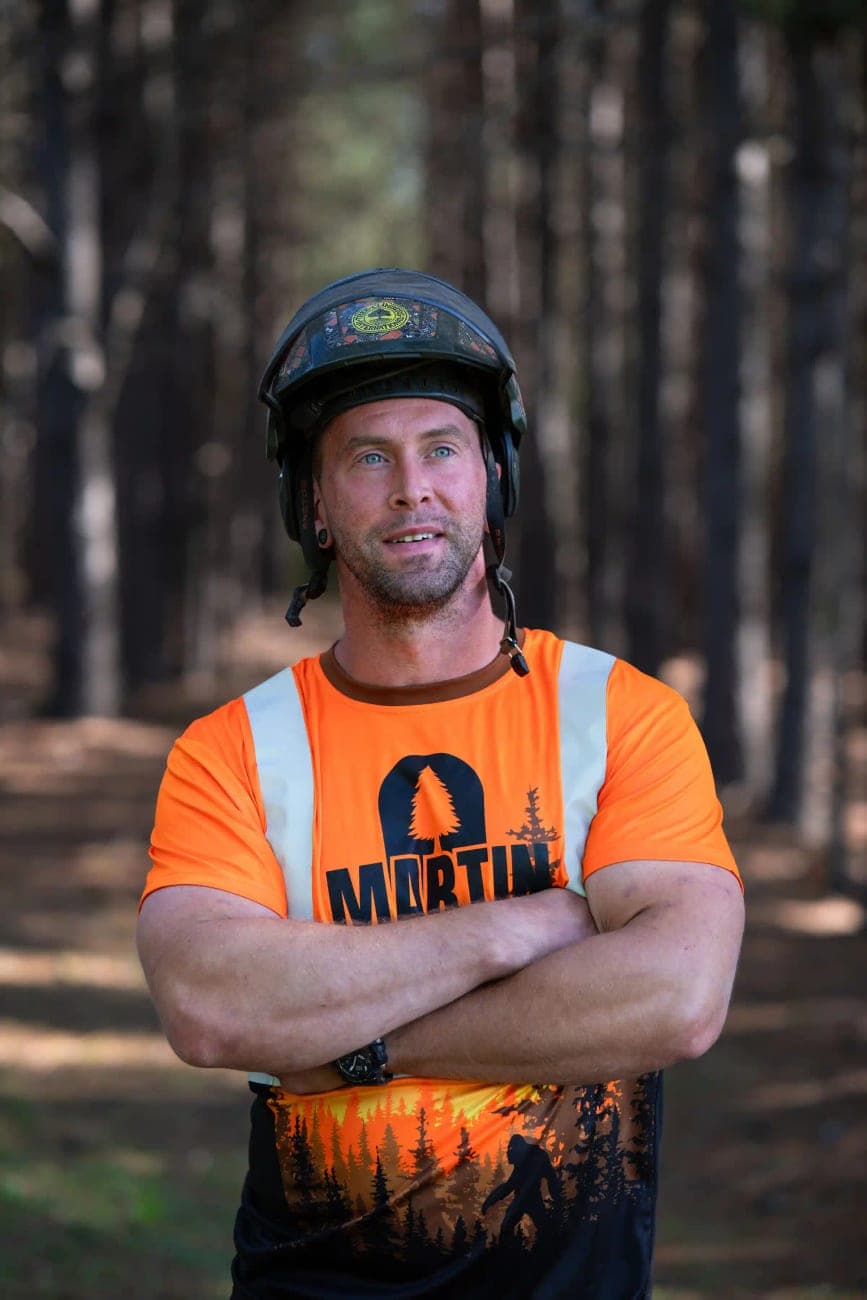
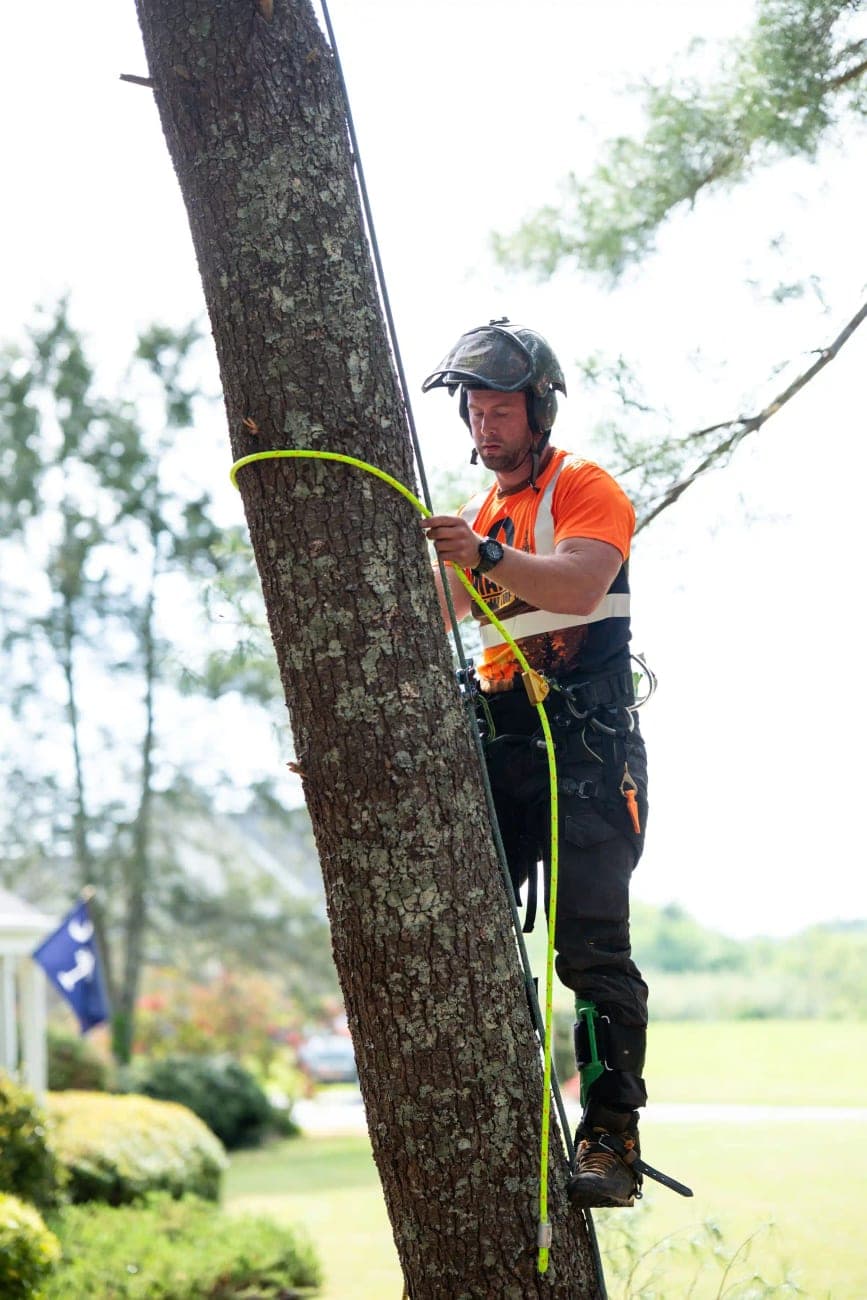
 James Martin, ISA Certified Arborist