
(864) 913-3978ISA Certified Arborist #SO-356834A★★★★★ 157 5-Star Reviews24/7 Emergency Assistance: Storm & Hazard Response24/7 Emergency Assistance
Serving Upstate SC  ·  Mon–Sat 7AM–6PMLicensed & Insured in SC
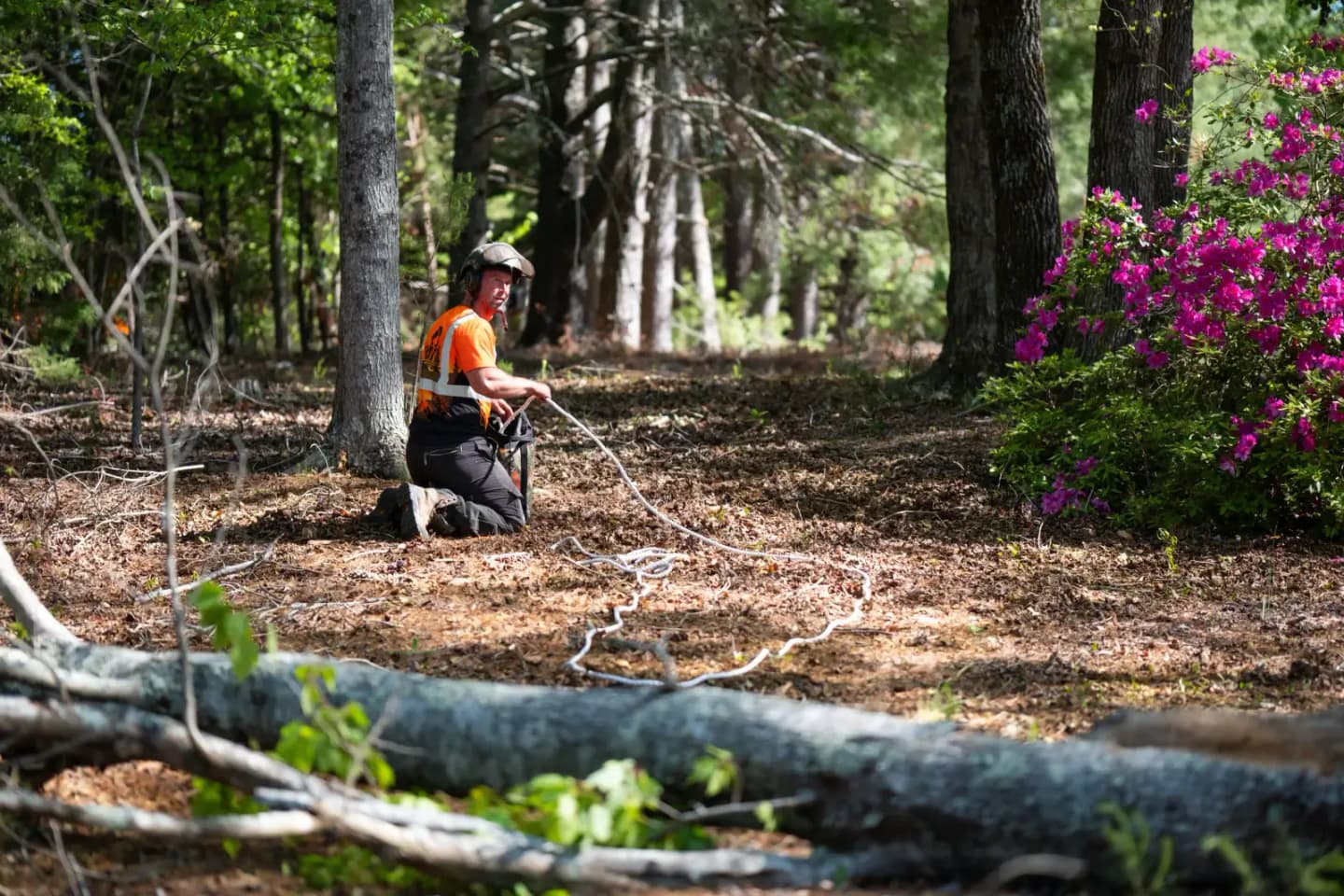
Martin Tree and Turf Care arborist among tall pines in Upstate South Carolina
24/7 Emergency Service Available
← Resources

Fall Tree Care in Upstate SC: Inspection, Pruning, and Storm Preparation

A seasonal guide for Upstate SC homeowners: what to do with your trees in fall before winter arrives.

Get Free Estimate
ISA Certified Arborist badgeJames Martin · ISA Certified Arborist · TCI Certified
ISA Certified Arborist
Licensed & Insured
Free Written Estimate
24/7 Emergency Assistance
Serving Upstate SC
ISA Certified Arborist
#SO-356834A
International Society of Arboriculture: Cert #SO-356834A
TCI Certified
Tree Climbers International
Tree Climbers International Certified Tree Technician
Licensed & Insured in SC
$1M Liability · $2M Umbrella
Certificate of insurance provided before any job begins
Free Written Estimates
Exact price in writing before any work begins: no surprises on your bill
24/7 Emergency Response
Emergency assistance any time of day or night. Response time depends on distance and active jobs

Published May 27, 2026

Fall is the best time to assess trees in Upstate SC before the winter storm season. Deciduous trees have lost enough leaves to expose crown structure for inspection, the ground is firm enough for equipment access, and pruning dormant trees minimizes disease transmission and accelerates wound closure. Two things that happen most in fall: fungal fruiting bodies appear at tree bases (indicating root rot), and structural defects that were hidden by summer foliage become visible.

Related service: Tree Care in Upstate SC

What to Inspect in Fall

Crown structure: With leaves thinning, look for large dead branches, crossing limbs, and co-dominant stems. These are harder to see in full summer canopy. Root flare: Check the base of the trunk for fungal conks (shelf fungi), bark separation, and any signs of decay at the root crown. Fungal fruiting bodies appear most visibly in October–November in Upstate SC. Lean: Does the tree have a lean that was not there last year? A new lean indicates root failure or internal failure. Call for an assessment before winter. Hanging limbs: Identify any broken or partially attached limbs before winter ice adds weight and causes them to fall.

Fall Pruning: What Is Appropriate

Deciduous trees: Fall through early winter (after leaf drop, before hard freeze) is appropriate for most structural pruning and crown cleaning. Cuts made in dormancy have lower disease transmission risk than summer pruning. Exception: oak trees should not be pruned during the spring sap flow (April–June) due to oak wilt risk, but fall pruning is fine. Crape myrtles: Prune in late winter (February–March) before new growth, not in fall. Fall pruning of crape myrtles stimulates growth that freezes. Bradford pears: Fall is fine for structural work, but honestly, most Bradford pears are better off removed than pruned.

Pre-Winter Storm Preparation

Upstate SC's most damaging winter events are ice storms. January and February are peak risk. A quarter inch of ice already causes tree damage and a half inch can add hundreds of pounds to a branch: beyond what compromised branches or co-dominant stems can hold. Before winter: remove dead branches that will accumulate ice and fail, cable co-dominant stems that have not been addressed, and identify loblolly pines near structures that show crown stress. Ice storms routinely bring down trees that showed warning signs the previous fall and were not acted on.

What our arborist sees on site

October and November are when we see the most structural defects that were hidden all summer. If you have a tree you have been watching, fall is the time to get an assessment, before ice makes the decision for you.

Ready for a free written estimate?

We visit your property, evaluate the work, and give you a written price before anything starts. Work is led by our ISA Certified Arborist.
Tree TrimmingTree Risk AssessmentUpstate SC Ice Storm Tree DamageSpring Tree Care Tips

Frequently Asked Questions

Should I prune my trees before or after leaf drop in Upstate SC?

After leaf drop is generally better for deciduous trees. You can see the branch structure clearly, disease transmission risk is lower in dormancy, and wounds close before spring growth. For oaks specifically, avoid pruning during April–June (oak wilt transmission season). For all other species, fall and winter pruning is preferred.

What trees are most likely to fail in an Upstate SC ice storm?

Bradford and Callery Pears top the list. The co-dominant union splits under ice load predictably. Loblolly Pine is second: the shallow root plate separates from saturated soil. Sweetgum and silver maple branches break from ice weight. And any tree with pre-existing structural defects (co-dominant stems, included bark, large dead branches) will fail before a healthy tree of the same species.

James Martin: ISA Certified Arborist, Martin Tree and Turf Care

Written by

Martin Tree and Turf Care

Martin Tree and Turf Care works in Upstate SC yards through every season, and fall is the recommended window for structural pruning and risk work before winter. What you do before dormancy affects how trees handle whatever the season brings.

Reviewed by James Martin, ISA Certified Arborist #SO-356834A

Updated May 27, 2026

About James →

Know Your Exact Price Before Any Work Begins

The certified arborist evaluates your tree in person and puts the price in writing. That's the number you pay: no verbal quotes that change on arrival, no invoice surprises. No pressure. No obligation.

Get Free Estimate

Or call directly: (864) 913-3978